
Disability is all the rage!

There's a public conversation happening right now about disability being "cool" and it's a messier conversation than it sounds. Some people (like ME) are genuinely celebrating it: bold, decorated, unapologetic assistive technology showing up in public and being met with curiosity instead of pity. Others have brought their own discomfort into the conversation, and that discomfort tends to disguise itself as concern, or humour, or a raised eyebrow. But underneath the mess, one thing is becoming impossible to ignore: when people are given the space and freedom to express themselves and embrace their AT, it makes waves.
I want to draw a parallel that I think explains exactly where we are.
There was a time, not that long ago, when wearing glasses in public was something to be embarrassed about, particularly for women. Better to squint, to stumble, to hold a book at arm's length and pretend you could read it, than to be seen as bookish, plain or GASP *clutches at pearls * old! We look back at that now and we laugh. It seems absurd. Nobody today walks up to a stranger wearing glasses and asks, "What happened to your eyes?" "How long have you been wearing those?" "Are you sure you need them?"
Glasses became fashion.
People collect frames the way they collect shoes. The stigma didn't just fade, it flipped, hard, in the other direction.
That's exactly where assistive technology is sitting right now. On the cusp.
Too many people, young and old, go without the AT they need. Not because they don't need it. Not because it wouldn't change their life. But because they're afraid of the optics. Afraid of the questions. Afraid of what it will mean about them in a stranger's eyes the second they use it in public. I know that fear personally, it's cost me years I won't get back.
And that's the part of this conversation I think we skip past too quickly: we've somehow decided it's socially acceptable to interrogate a person about their assistive technology in a way we'd never dream of doing to someone wearing glasses.
"What happened to you?"
"What have you done to yourself?"
"Did you do your knee? I did my knee once"
These aren't questions born of malice, they're born of curiosity, but under that is discomfort that's been allowed to go unquestioned for far too long. The result is the same though. The individual always having to justify, validate and engage in conversations about whats wrong with them.
We are in the middle of a shift. Slow, uneven, sometimes uncomfortable, but real. People are starting to use the devices they need to live full lives without folding under the weight of everyone else's reactions. That shift matters more than it might look like from the outside, because that weight was never really about the equipment. It was about permission. Permission to exist visibly, without having to justify it first.
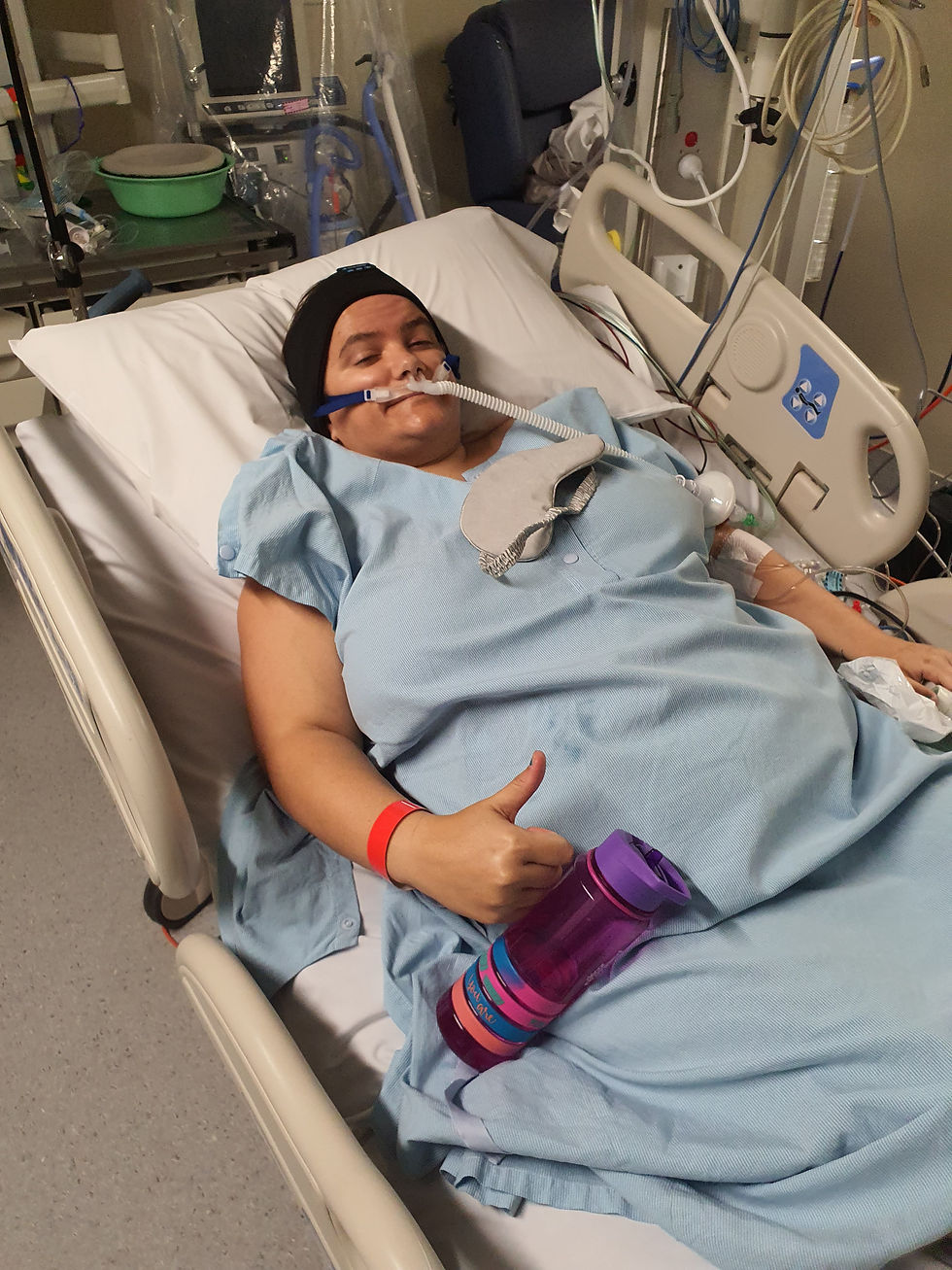
This is the space I get to work in through DecorATe, a project inviting AT users, people with invisible disabilities and chronic illness, carers and the wider community to come together and decorate the things that help them get through the day, turning function into art and art into conversation. It's a small project. But it sits right at the heart of this bigger cultural moment, and I think that's exactly why it matters right now.
The time is right for these conversations, even the uncomfortable ones.
Especially the uncomfortable ones. Because on the other side of them is a future where nobody has to earn the right to move through the world visibly, comfortably, and unapologetically themselves.
Chloe Wigg is a Brisbane Disability Ambassador and the founder of DecorATe.



Comments